
Start before something becomes waste
Recycling is a useful question, but it is not the first question. Could you avoid needing the item? Could something you already own do the job? UNEP's waste guidance emphasizes a lifecycle approach: consider production, use and what happens afterward. Preventing waste addresses the problem earlier than finding a destination for it at the end.
That does not mean every household has the same choices. Price, storage, disability, food safety and available services affect what is practical. Start with one repeated purchase you can influence, not a demand for a perfectly empty bin. A useful change is one that meets a real need and can be maintained.
Keep useful things useful
Before replacing an object, check whether cleaning, maintenance or a safe repair would restore its function. Borrowing can make sense for something used occasionally. Passing an item on helps only if the recipient wants it and it is fit for use. Moving unwanted material into someone else's home is not automatically waste prevention.
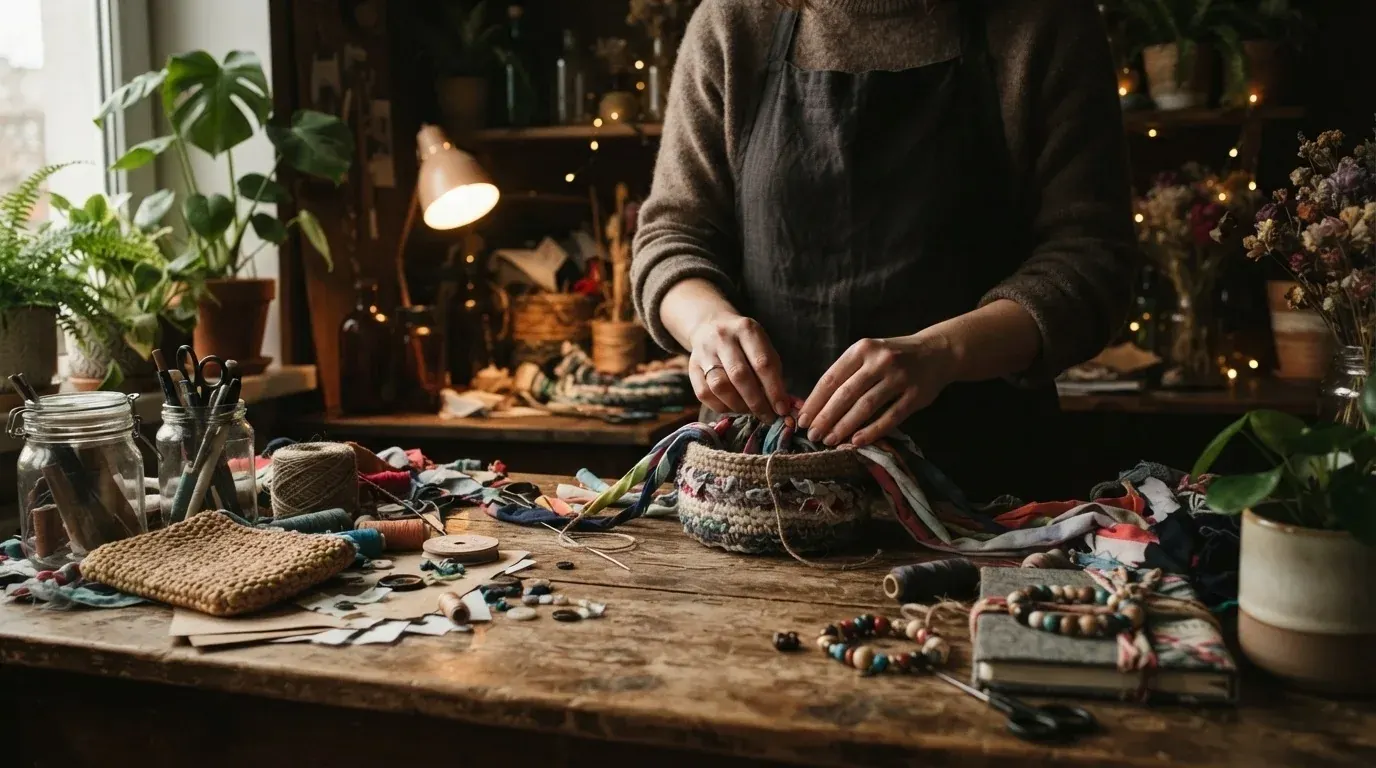
Upcycling also needs a purpose. A fabric offcut used to repair a bag can extend that bag's life. A decorative project that requires many new supplies may simply add another object to store. Ask what purchase your project replaces, how long it might last and whether its materials can still be separated later.
Learn the local route
When reuse is no longer suitable, check what your local collection service or recycler actually accepts. A recycling symbol does not prove that an item will be collected or processed where you live. Ask about preparation, accepted materials and drop-off conditions. Follow the local rules rather than copying a sorting diagram from another country.
Food scraps need their own decision. First reduce avoidable food waste by checking supplies and planning realistic portions. Where a suitable collection service or well-managed composting setup exists, follow its guidance for accepted scraps and pest control. Do not assume every home has the space, water or support to compost safely.
Make a small record, then widen the lens
For a few days, note clean, ordinary items as you discard them. Do not open mixed rubbish bags or handle unknown waste. Choose one recurring item and write down a prevention option, a reuse option and its verified disposal route. Record what you actually changed, rather than estimating carbon savings without a defensible method.
Keep batteries, chemicals, medical waste, broken glass and electronics out of craft activities. Seek appropriate specialist disposal advice. Never burn waste. Household choices are only part of the picture: product design, collection infrastructure and safe working conditions matter too. Ask retailers about refill or repair options and authorities about service gaps. Waste reduction should support the people doing collection and recovery work, not shift more risk onto them.
Sources & further reading
Sources support the guide, not an endorsement of TCT.